Direct answer: Evaluate the surface construction and likely contact conditions, then use a suitable snagging method and controlled appearance review. Distinguish pulled loops from pilling and from fringe damage.
Introduction
A decorative woven throw can look excellent in a catalogue and develop pulled loops when it contacts jewellery, a pet’s claw or a rough sofa edge. Buyers may call the resulting marks “pilling,” yet snagging is a different surface mechanism. Pilling involves small fibre balls or fuzz; snagging involves yarn loops or threads pulled from the fabric surface. A test plan aimed at the wrong mechanism may leave the original complaint unanswered.
This article explains how to assess woven throw snagging in a B2B sourcing programme. It covers construction selection, laboratory scope, realistic use observations, finishing and shipment inspection. It does not claim that a particular WeaveNook throw passed a test or prescribe a universal snag grade. The buyer should define its intended retail or hospitality use and agree a method and appearance limit with a qualified testing partner.
Begin with the blanket and throw product category or cushions and throws depending on the collection. The existing bedding pilling test guide addresses surface fuzzing. This guide addresses yarn pulls and loops on a decorative woven face, a distinct purchasing decision.
Identify the actual surface risk
Why some textures catch more readily
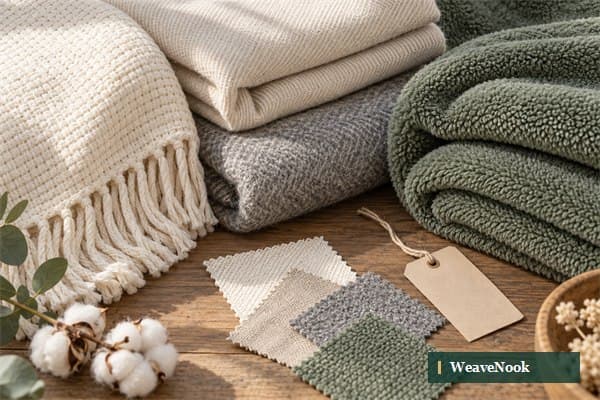
Open constructions, long floating yarns, loosely twisted decorative yarns and raised texture can create points for a sharp object to catch. That does not make every textured throw defective. The design appeal may depend on the very feature that creates exposure. The buyer needs to decide how the throw will be marketed and used. A display-only accent may tolerate different risk from a blanket intended for daily seating or bedding.
The ISO 25086-1 public scope describes a mace, or spiked-ball, method for snagging resistance of woven and knitted fabrics. This is a fabric method, not a guarantee about every sofa, pet or cleaning event. Ask the lab whether this method, another method or a comparative development trial best suits the weave. State the specimen, treatment and assessment conditions.
Distinguish snags from other defects
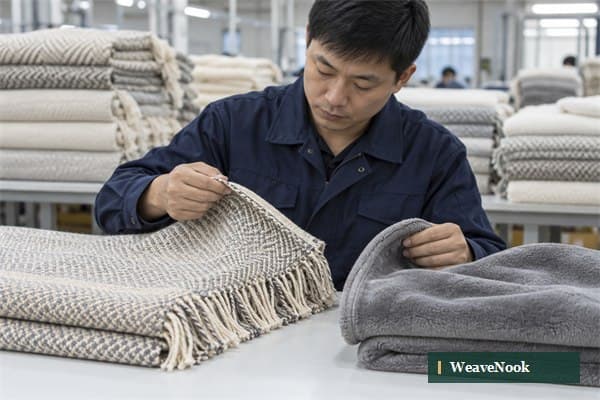
A pulled loop, broken yarn, missing pick, edge fray and surface pill need different investigations. Photograph defects with a scale and note location. If marks cluster near the fringe, inspect the edge construction. If they appear uniformly across the face after use, fabric structure is a stronger candidate. A complaint sample may have unknown handling, so compare it with unused retained and controlled trial samples before attributing cause.
Ask whether the throw was designed with intentional loose yarn ends or textured slubs. Those should be documented in the approved reference. A retail customer should not have to guess whether a pulled loop is design or damage. The spec can define acceptable texture and clearly exclude long free loops or broken yarns. A controlled close-up photo can be more useful than a vague “premium finish” phrase.
| Observation | Likely question | Review route |
|---|---|---|
| Loop pulled from face | Snag propensity | Suitable fabric snag method |
| Small fibre balls | Pilling | Separate pilling method |
| Surface rubbed thin | Abrasion wear | Appearance or breakdown assessment |
| Yarn broken at fringe | Edge integrity | Fringe and binding trial |
| Isolated manufacturing float | Weaving fault | Roll and finished-piece inspection |
Write the throw’s application brief
Describe the contact environment
A throw on a sofa may contact upholstery, clothing hardware and armrests. A bed-end throw may be handled and folded but experience less repeated seating contact. A hospitality throw may require frequent laundering and housekeeping handling. These contexts change the acceptable appearance risk. Tell suppliers where the product will be used and which surface faces outward. A visually appealing open weave may be suitable for one placement and not another.
If children or pets are part of the target lifestyle imagery, do not imply a specific safety or pet-proof guarantee without evidence. Marketing pictures can create expectations beyond laboratory scope. Describe the texture truthfully and provide care guidance. An article intended to be dry cleaned should not be pictured as a casual machine-wash staple unless the final label and performance support it.
Agree appearance boundaries
Choose an approved reference with acceptable floats and texture. Define how many visible pulled loops, if any, are allowed on a new shipment and whether a small snag can be repaired without affecting appearance. A new article’s workmanship criterion differs from its propensity to snag in use. A lab test can assess relative tendency; shipment inspection can identify existing defects. Keep those checks separate.
If a client asks for a numerical grade, specify the method, rating scale, specimen state and acceptance level. Do not paste a value from an apparel contract onto a throw without technical review. Texture, yarn and colour affect visible appearance. A dark, high-contrast weave can make a small pull more obvious than a light irregular weave; the commercial acceptance window should reflect the product positioning.
Turn the decision into a sample brief
Share the product, target market, planned quantity and woven throw snagging test criteria. We can discuss a suitable sample and quotation route.
Ask for Product CatalogBuild a production-representative test sample
Test the final weave and finish
Submit fabric from the proposed production construction, including dyeing, brushing or washing finish. A greige swatch may have different surface friction and yarn mobility from the final product. Identify warp and weft orientation. If the throw has a patterned jacquard face and simpler reverse, sample the relevant zones. A single plain panel may not represent long floats in the motif.
The laboratory should report method edition, specimen identity, pre-treatment, number of replicates and observed appearance. Ask to see actual tested specimens where a subtle grade drives a decision. A supplier brochure with a single snag score but no fabric code does not prove the proposed throw meets the requirement. If alternative weave constructions are being compared, use the same method and assessment setup.
Include a realistic handling review
A controlled application trial can complement the lab: drape the throw on the target sofa or bed, fold it, move it and follow the intended care instructions. Do not deliberately attack it with sharp objects and describe that as normal use. Observe whether ordinary handling creates pulls at predictable points. Keep a control sample and record the duration. An informal trial is useful for development but should not be marketed as a certified lifetime test.
For a retail collection, compare the thrown-over-sofa appearance before and after the trial. Some texture changes may be accepted as part of a relaxed look; broken loops may not. Put that decision in the product brief before photography and packaging. The woven and printed cushion comparison shows a related design trade-off between decorative weave and surface artwork, though the application is different.
Treat fringe and edge failures separately
A face-fabric test does not qualify the fringe
Many throws use long fringe or tassels. A fabric snag result from the central field does not describe how the fringe behaves in washing, handling or retail display. Inspect knotting, length, shedding and the transition from body to fringe. If the buyer wants a short fringe for easier care, make that a distinct construction option. The blanket binding and edge guide provides a broader perimeter checklist.
If a complaint concerns yarn pulls beginning at the edge, investigate whether the weave is adequately secured before the fringe begins. Trimming a long pulled thread may make the damage less visible but could weaken the structure. Approve any repair method on representative specimens. Do not ask inspectors to casually snip pulls on saleable goods without a defined procedure and buyer approval.
Care can change snag exposure
Washing can open the structure, change fuzz and affect yarn tension. If the label allows machine washing, run the specified process and assess the surface after drying and normal recovery. The snag method may require pre-treatment; follow its rules and report whether the test specimen was washed. A fresh-only result should not be presented as post-care evidence. If care produces pilling as well as snags, score those mechanisms separately.
The ISO 12947-4 overview concerns appearance change in an abrasion method. It is not a direct synonym for snagging. A complete surface-quality plan may use both methods when the product application warrants them. Avoid collapsing grades from different methods into a made-up “durability score.”
Inspect production without destroying the aesthetic
At fabric inspection, look for missing or oversized floats, inconsistent yarn tension and high-risk sections of the repeat. At cutting and sewing, prevent rough surfaces from catching the face. Protective handling may be needed for very textured fabric, and its cost belongs in the quote. Sample completed throws across rolls and colourways. A subtle yarn change can alter both look and snag propensity even when the weave plan is nominally unchanged.
Use good light and a consistent viewing distance. Inspect the central face, reverse if customer-facing, corners and fringe. Record existing snags separately from laboratory propensity. A buyer may reject a visibly damaged new throw even if the fabric earned a strong lab score. Conversely, a pristine shipment sample does not establish resistance to later snagging. Link both findings to the signed reference and test plan.
If a high snag tendency is found, consider changing float length, yarn, weave, finishing or intended application. Make coded alternatives, compare hand and visual design, then retest the chosen construction. A denser weave may reduce catching but can also change drape and cost. Do not silently trade away the visual feature the brand approved. Explain the design trade-off to the buyer.
Compare quotation economics
The cost of a decorative throw includes yarn, weave setup, edge finishing, handling, inspection and packaging. An elaborate texture may require more careful production and have a higher return risk if marketed for daily hard use. A simpler weave can be more robust but less distinctive. Compare both as whole products, using the actual lifestyle positioning. A low fabric price is not a complete cost if the approved appearance cannot be reproduced at scale.
If a client requests anti-snag wording, ask what proof it expects and whether the term is supportable. The safer description may be the actual weave and use recommendation. Avoid lifetime or pet-resistant promises. A measured test result may be presented with method and context where appropriate, but should not be translated into an unverified service-life claim.
Include packaging and display handling
A textured throw can be snagged before sale if hangtags, plastic fasteners or rough carton edges contact the face. Review the final retail wrap and the method used to attach labels. Test removing the product from its bag and displaying it as a store employee would. If a damaged loop appears consistently near the same fastener, a packaging change may solve a production complaint without changing the weave. Record this separately from laboratory fabric snagging propensity.
For bulk shipments, prevent cut carton edges or staples from rubbing exposed textiles. Inspect a sample carton after a representative transit and unpacking exercise. A careful factory photograph of an unwrapped throw does not prove the delivered article will remain pristine. The buyer should approve the product and packaging together, including any folding pattern that places a high-float motif against a rough surface.
Prepare the buyer brief
Send target dimensions, yarn/fibre preferences, weave artwork, face/reverse presentation, fringe or binding, care route, use scene and price tier. Ask for production-representative swatches and a finished throw. State whether a snagging lab test is required and who sets the acceptance grade. Request a separate inspection standard for visible pulls on new goods. Define how colour or yarn substitutions will be approved.
If a retailer uses a product photo showing a very loose artisan texture, discuss the practical snag exposure honestly. A supplier can propose a tighter construction with similar visual character, but the buyer should approve the real sample. An effective brief gives designers room to solve the risk without hiding it behind a generic “quality passed” checkbox.
Frequently Asked Questions
Is snagging the same as pilling?
No. Snagging involves pulled loops or yarns caused by catching; pilling is small fibre-ball or fuzz formation. A fabric may be good against one and weak against the other. Identify the actual customer complaint and choose the matching assessment. Keep test reports and appearance criteria separate.
Can a new throw pass visual inspection but snag later?
Yes. Shipment inspection finds existing defects; a controlled test examines propensity under specified conditions. Neither predicts every user contact. Combine an approved construction, relevant lab method and honest product application. Do not present a pristine photograph as a durability test.
Should fringe be included in the snag test?
A central fabric snag method may not represent fringe. Assess fringe knotting, edge security and care separately, and use a finished-throw handling trial. Ask the lab whether its method can include the relevant zone. Report any scope limitation rather than treating the face result as a whole-product pass.
Does a tighter weave always solve snagging?
It can reduce some exposed floats, but may change hand, drape and appearance. Yarn choice and finishing also matter. Make controlled alternatives and compare the complete throw under the intended care and use conditions. The buyer should approve the design trade-off and associated cost.
Conclusion
Woven-throw snagging is a surface-design and application decision. Classify pulled yarns correctly, test the production weave with a suitable method and inspect the finished throw, including edges and fringe. Keep pilling and abrasion evidence separate. A clear brief helps preserve the decorative character buyers want while making realistic quality claims.
Primary sources and method boundaries
Sources reviewed October 9, 2026. Illustrative calculations and proposed review checklists are not certified test results. Confirm the applicable method, edition and acceptance limits with your laboratory and customer.
Send your project requirements
Email info@WeaveNook.com with sizes, materials, care route, volumes and destination. Project-specific evidence and capability must be confirmed for your order.
Send Your Requirements