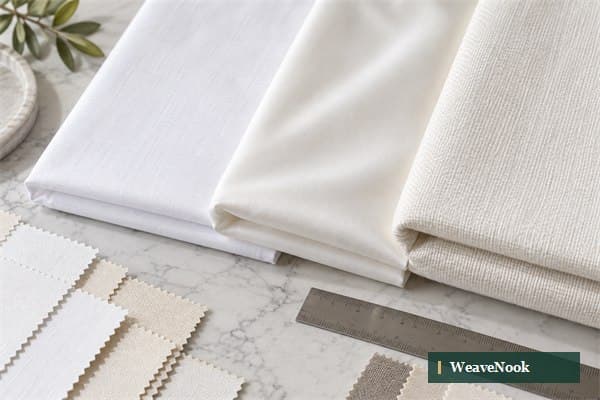
Direct answer: Buyers should check the destination climate, user expectation, fabric construction, relevant weight, surface finish, layer role and care routine before positioning bed sheets for a season. Sheets influence next-to-skin feel and air movement, but they should not be marketed as a complete warmth solution independent of the other bedding layers and room environment.
1. Define the buyer decision
Bed-sheet seasonality is best understood as a fabric and layering choice. A crisp woven sheet, a smooth draping construction and a brushed finish can create different user experiences, but their suitability depends on the bed system and customer context.
Choose a clear seasonal role rather than a vague claim. The buyer may develop a breathable-looking warm-climate sheet, a soft brushed colder-season option, or a year-round core item that works with different duvets and blankets.
2. Build a checkable specification
The following points turn this buying question into details that can be stated in an RFQ and reviewed on a finished sample.
Climate and customer context
Record destination conditions, indoor-use assumptions and customer preference before selecting a seasonal construction or message.
Construction and finish
Specify fibre, weave or knit, relevant weight, brushing or surface finish and hand feel through approved finished samples.
Layer compatibility
Check how the sheet works with duvet covers, blankets and filled products so product descriptions describe its real role in the bed system.
Care and range planning
Confirm that the finish, colour and fabric direction support the expected washing, drying, stock timing and colour palette of the programme.
Ready to compare a real specification?
Send your bed sheets season and warmth sourcing requirements for a focused quotation and sample discussion.
Get a Quote3. Set the sample and inspection route
Factory testing can confirm the sheet’s documented material, construction, dimensions and care-related sample response. It should not convert a fabric preference into an unsupported thermal performance promise. Review seasonal product language and packaging against the approved physical configuration before bulk printing.

4. Compare the available approaches
| Sheet direction | Useful selection question | Careful claim |
|---|---|---|
| Crisp woven | Does the hand feel suit a lighter, breathable presentation? | Describe fabric and feel, not a guaranteed temperature outcome |
| Smooth draping sheet | Does the surface and finish match the brand position? | Keep season language linked to actual construction |
| Brushed surface | Does it meet the desired touch and care routine? | Check shedding, appearance and drying needs on sample |
5. Avoid these sourcing mistakes
- Calling sheets warm or cooling without defining their role in the whole bed
- Choosing a brushed finish without care and appearance review
- Using the same seasonal claim for all markets
- Skipping finished-sheet testing after the selected care process
Frequently asked questions
Do bed sheets control the temperature of a bed?
They influence next-to-skin feel and layering, but total comfort also depends on other bedding, room conditions and individual preference.
How should buyers source a warm-climate sheet range?
Share climate, channel, desired hand feel, care requirements and range timing, then approve a finished sheet sample and accurate product wording.
What should buyers check on brushed sheets?
Check the finished hand feel, surface appearance, seams, care response, colour and packaging after the intended handling route.
Can a core sheet be sold year-round?
Yes, when it has a clear fabric and care position and is paired with seasonally appropriate bedding layers rather than making an overbroad warmth promise.
Turn this decision into an approved brief.
Share the product application, quantity and the specification points above. WeaveNook can then discuss samples and a quotation based on the same finished-product requirements.
Send Your Requirements