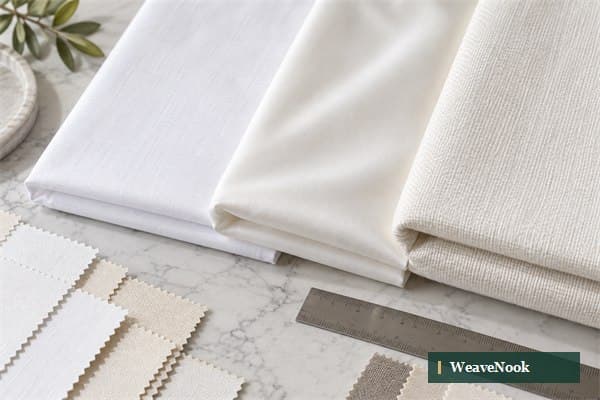
Direct answer: Choose bed sheets by matching the fibre and weave, finished dimensions, mattress fit, care routine, colour, packaging and target channel to the customer’s use. Approve a finished sample on the intended bed or mattress and compare quotations against the same size and construction matrix before placing a bulk order.
1. Define the buyer decision
Bed sheets have a direct relationship with the sleeper and a demanding relationship with laundry, fit and visual presentation. A good buying decision turns those requirements into measurable fabric and pattern choices.
Start with the sheet type and application. Flat sheets, fitted sheets, pillowcases and sheet sets have different fit and construction controls, while hotel, retail and e-commerce programmes package and replenish them differently.
2. Build a checkable specification
The following points turn this buying question into details that can be stated in an RFQ and reviewed on a finished sample.
Sheet type and use
Identify flat, fitted, deep-pocket, top sheet or complete set, the target mattress or bed presentation and the intended hospitality or consumer channel.
Fabric direction
Specify fibre composition, weave or knit, relevant weight or thread-count convention, finish and the desired balance of feel, opacity and care.
Finished fit
Record measured width, length, pocket depth, elastic construction, tolerances and whether fit is reviewed before or after the stated care process.
Identity and packing
Approve size label, care information, fold, pack, barcode or carton mark so the finished sheet can be received and used correctly.
Ready to compare a real specification?
Send your how to choose bed sheets for buyers requirements for a focused quotation and sample discussion.
Get a Quote3. Set the sample and inspection route
Factory testing for sheets commonly centres on finished dimensions, construction, colour and the agreed care-related checks. For fitted sheets, the real proof is a sample fitted to the intended mattress or its approved equivalent; shipment inspection should link that size identity to the packed SKU.

4. Compare the available approaches
| Sheet choice | Key decision | Approval view |
|---|---|---|
| Flat sheet | Drape and finished dimensions | Made-bed presentation |
| Fitted sheet | Mattress width, length and depth | Actual mattress fit |
| Sheet set | Component consistency and pack | Complete assembled or packed set |
5. Avoid these sourcing mistakes
- Choosing sheets from fabric feel without a size matrix
- Omitting fitted-sheet depth and elastic details
- Using a thread-count claim as the full specification
- Approving loose sheets without checking labels and folding
Frequently asked questions
What is the first decision when buying bed sheets?
Decide the sheet type, target bed or mattress, customer channel and care environment, then build the fabric and size brief around that use.
What should a sheet sample show?
It should show the proposed fabric, finished size, hems or elastic, colour, label, care plan and packing appropriate to the SKU.
Can one sheet specification suit hotels and retail?
It may, but the care routine, size labels, packaging, quantities and delivery handling can require different versions.
How should buyers compare sheet suppliers?
Provide the same complete technical and commercial brief, ask suppliers to identify deviations, and compare approved samples and delivery assumptions.
Turn this decision into an approved brief.
Share the product application, quantity and the specification points above. WeaveNook can then discuss samples and a quotation based on the same finished-product requirements.
Send Your Requirements