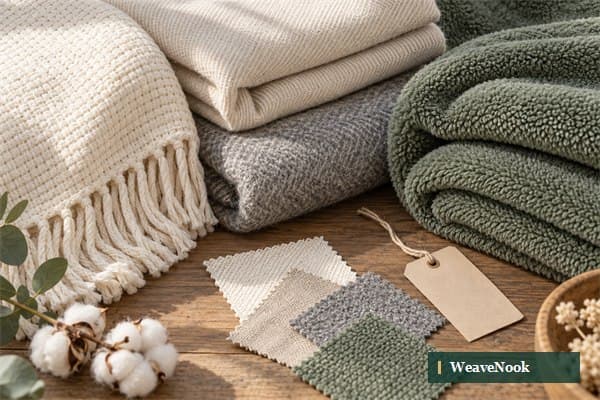
Direct answer: Choose blanket fabric by defining the product application, target warmth, hand feel, finished weight, drape, care routine, dimensions and packing method. Then compare finished samples in the intended use, because fabric swatches alone do not show edge finish, recovery or the final folded presentation.
1. Define the buyer decision
Blanket and throw sourcing starts with the intended use. A lightweight decorative throw, a hotel layer and a retail winter blanket can all use different fabric and finish choices even when they share a similar colour direction.
The important question is not which blanket fabric is best in general. It is which construction gives the customer the desired warmth, look, feel and care profile at the required finished size and price position.
2. Build a checkable specification
The following points turn this buying question into details that can be stated in an RFQ and reviewed on a finished sample.
Product application
State whether the product is a bed blanket, sofa throw, travel layer, seasonal retail item or hospitality accessory. Use changes the required dimensions and construction.
Weight and drape
Specify the desired feel and finished weight direction, then review the sample on the intended bed or display rather than only in hand.
Edge finish
Binding, hem, fringe, whip stitch or self-finished edges change the look, durability and production detail. State the exact preferred approach.
Care and packing
Consider shedding, pilling, laundering, folding, compression and carton presentation against the actual sales channel and customer expectation.
Ready to compare a real specification?
Send your blanket fabric guide wholesale buyers requirements for a focused quotation and sample discussion.
Get a Quote3. Set the sample and inspection route
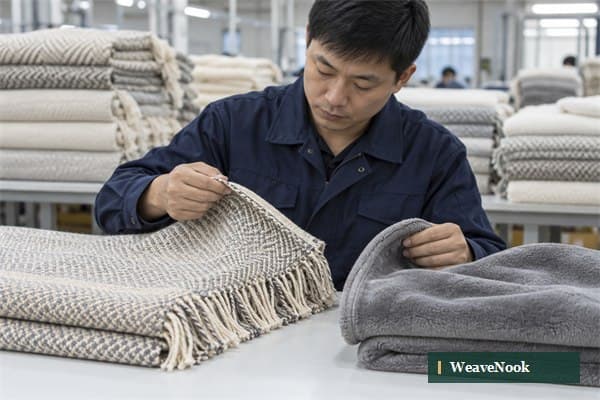
Factory testing should include finished measurements, fabric appearance, edge finish, label location and the product’s folded or rolled presentation. For pile or brushed fabrics, agree how appearance will be judged after handling and packing.
4. Compare the available approaches
| Blanket direction | Typical appeal | Buyer question |
|---|---|---|
| Light decorative throw | Drape and colour layering | Does the finished edge support the styled look? |
| Warm bed blanket | Coverage and warmth | Does the size and weight suit the intended climate? |
| Retail gift blanket | Touch and presentation | Does the folded product fit the approved packaging? |
5. Avoid these sourcing mistakes
- Choosing from a colour swatch without reviewing finished drape
- Leaving edge finish undefined
- Using one blanket dimension across unrelated product applications
- Approving a package before the folded blanket volume is known
Frequently asked questions
What fabric is best for a retail throw?
The best choice depends on the target hand feel, warmth, price position, care, colour effect and package presentation; approve a finished sample in the intended channel context.
How should blanket size be specified?
Use finished width and length, intended product application, tolerance where agreed and any bed or sofa reference needed for the market.
Can blankets be custom branded?
Yes. Include label, embroidery, woven label, packaging and any artwork requirements in the specification.
What is checked during blanket inspection?
Typical checks include dimensions, fabric appearance, edge finish, label placement, visible workmanship, packing and carton count.
Turn this decision into an approved brief.
Share the product application, quantity and the specification points above. WeaveNook can then discuss samples and a quotation based on the same finished-product requirements.
Send Your Requirements